
Scientists prove alcohol increases the body’s speed of ageing
In addition, people who consistently abuse alcohol over time also face a greater risk of developing alcohol use disorder (AUD), also called alcohol dependence (5). Joy Manning, a Philadelphia-based freelance writer and creator of the Instagram account Better Without Booze, can also attest to the life-changing effects of sobriety. These effects cumulatively degrade sleep quality, accelerating physiological aging and negating potential benefits of sleep optimization efforts. The use of alcohol as a sleep aid is a common but misguided strategy that often leads to disrupted sleep architecture. Alcohol metabolism alters normal neurochemical processes, initially inducing sedation but subsequently fragmenting sleep.
Can biological age be reversed?
Although stimulant consumption is common in daily routines, intake too close to bedtime significantly impairs sleep quality. Stimulants such as caffeine and nicotine increase central nervous system activity, delaying sleep onset and reducing total sleep time. This disruption undermines sleep hygiene, which encompasses behaviors promoting restorative sleep.
Alcohol And Its Effects On Aging
Normally, the body creates a hormone called vasopressin, which helps your body retain water, limiting the amount of fluid that you excrete through the renal system. This helps prevent you from becoming dehydrated when you’re not drinking. At Lifetime Recovery in Mullica Hill, New Jersey, we can help you or a loved one suffering from alcohol abuse recover with our winning treatment solutions, and become free from the cycle of addiction.
- The body can begin to repair itself, leading to better skin elasticity, organ function, and a more youthful appearance over time.
- Additionally, alcohol’s impact on vital organs like the liver, skin, and cardiovascular system can manifest as visible signs of aging, including wrinkles, dull complexion, and reduced elasticity.
- If you are adventurous enough to apply it, dilute it with a bit of water the day after drinking to get a clean, even, day-after-drinking glow.
Alcohol Causes Oxidative Stress
Doing calming activities before bedtime, such as taking a bath or using relaxation techniques, might promote better sleep. Exposure to light in the evenings might make it more challenging to fall asleep. Avoid prolonged use of light-emitting screens just before bedtime. Consider using room-darkening shades, earplugs, a fan or other devices to create an environment that suits your needs. You might not be able to control the factors that interfere with your sleep.
- The results show that the clock ticks faster among heavy alcohol drinkers but slower among light to moderate drinkers.
- It’s important to be aware of your BAC and avoid activities such as driving when it’s elevated.
- It’s a common belief that drinking alcohol, especially in excess, can prematurely age you.
- “Our results highlight the negative impact of excessive alcohol consumption, such as binge drinking, on biological aging,” Nannini said.
- Irregular sleep schedules have been linked to increased markers of systemic inflammation and oxidative stress, both key contributors to accelerated biological aging.
In order to reverse nutrient depletion as a result of alcohol consumption, take foods and drinks rich in nutrients and electrolytes like whole grains, bananas, Drug rehabilitation orange juice and chicken broth. “In general, there is an ever-larger body of science showing how, exactly, alcohol causes so much ill-health and so many early deaths. As one of the leading Prescott rehab facilities, Wolf Creek Recovery is committed to helping individuals achieve lasting recovery from alcohol use and other substances. Reach out today and take the first step toward a healthier, more youthful future. Because the alcohol stays in the body longer when you’re older, hangovers are usually worse. And, you’ll need to know how your medications may interact with your drinking.
- However, some maintain heavy drinking patterns throughout life, and some develop problems with alcohol for the first time during their later years.
- In addition to breast cancer, alcohol is “a major risk factor” for some head and neck cancers and esophageal cancer, NCI has said.
- This puts us at an even greater risk for prematurely developing cancer or disease.
- Overreliance on alcohol for sleep undermines sleep quality and exacerbates aging processes at the cellular and systemic levels.
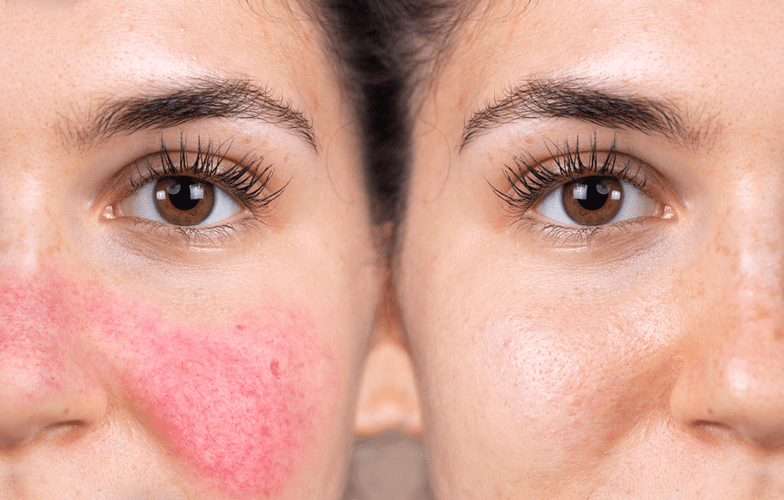
On one hand, alcohol can also cause a deficiency of nutrients like vitamin A, which helps with cell regeneration and collagen production — both of which are essential to youthful skin. Since alcohol causes dehydration, it can also dry out our skin and make wrinkles form faster. Furthermore, alcohol can cause enlarged blood vessels, which gives our skin a redder appearance. From increasing our risk of cancer and liver damage to worsening pre-existing conditions such as diabetes and high blood pressure, alcohol affects nearly every system in our body that impacts our health and well-being.
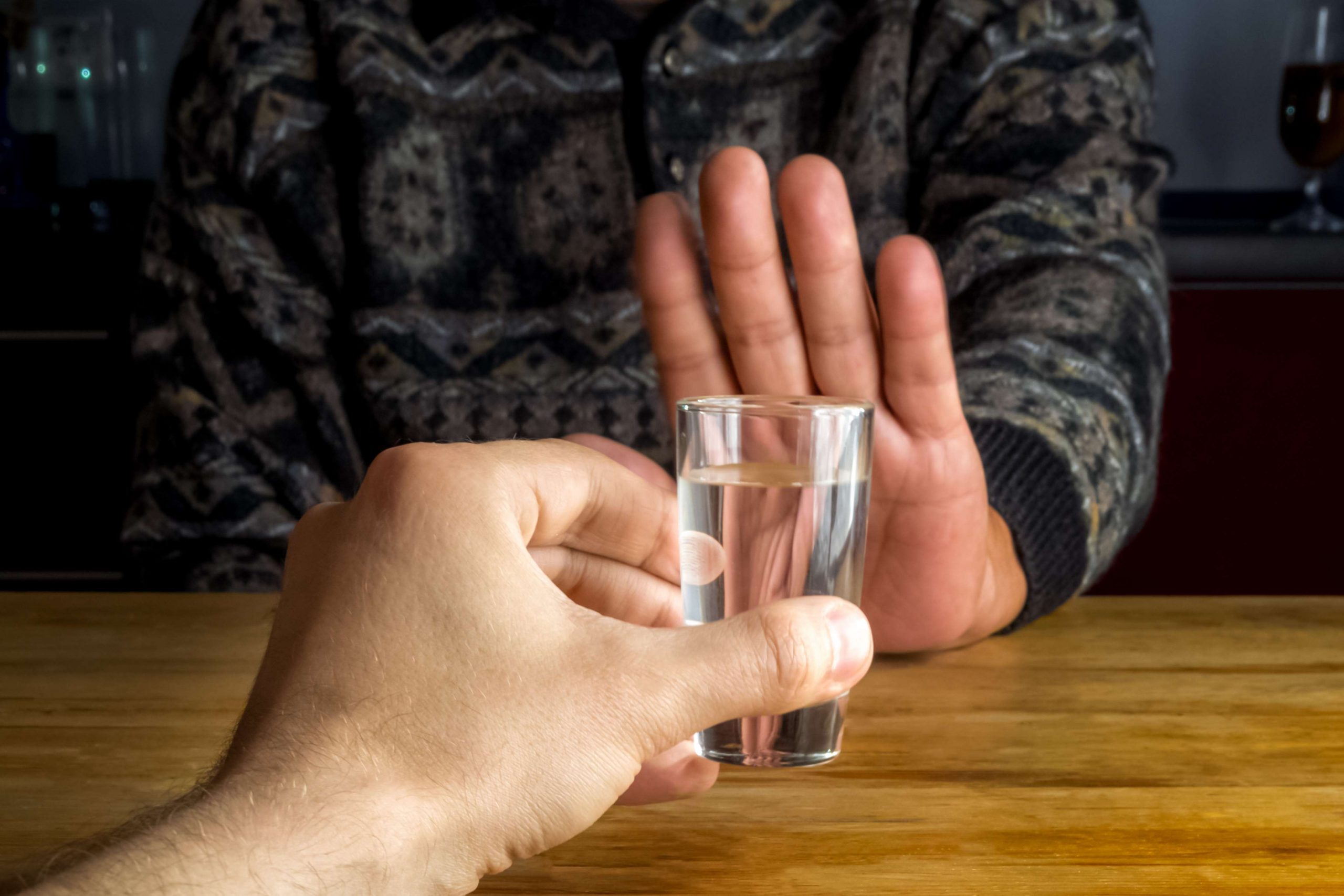
According to a Northwestern Medicine study published in the journal Aging, scientists found that consuming certain types of alcohol over long periods of time as well as binge drinking both speed up biological aging. They studied beer, wine, liquor and “total alcohol” (sum of the three alcoholic beverages consumed by an individual). Alcohol can affect the way your body fights off life-threatening illnesses like tuberculosis or pneumonia. Researchers https://ecosoberhouse.com/ are also studying the possibility that alcoholic liver disease might be caused, at least in part, by your immune system attacking healthy body tissues. Older people are more sensitive to the sedative (sleep-inducing) effects of alcohol, as well as its effects on balance, coordination, attention, and driving skills. This puts older adults at higher risk for falls, car crashes, and other injuries that may result from drinking.

We work with individuals, couples, and families to ensure that you and your loved ones are on the same page when it comes to your sobriety. Contact does alcohol make you age faster us to find out how we can help you navigate the path to recovery and optimize your physical and mental health. If you or a loved one struggles to regulate or limit alcohol consumption, you don’t have to do it alone. Give your body the best chance at health and reclaim your youthful energy. Lifang Hou, MD, MS, PhD is a professor of preventive medicine. “The message is if you drink a lot, or in particular if you drink a lot of liquor cumulatively, then your biological age will increase faster,” Hou says.
“Leave a Comment”